

Smoking can leave visible yellow or brown stains on the fingers, particularly around the areas where cigarettes are regularly held. These marks often develop gradually and may become difficult to remove through ordinary handwashing. Although the discolouration is generally cosmetic, it can affect confidence and make the skin appear unhealthy.
Understanding the causes of smoking-related stains helps people choose safer cleaning methods and prevent further discolouration. The most effective approach combines appropriate skincare with reducing or eliminating exposure to tobacco smoke.
Why Does Smoking Cause Yellow Fingers?
Cigarette smoke contains nicotine, tar and numerous other substances produced during tobacco combustion. Repeated exposure can leave deposits on the skin, particularly around the index and middle fingers.
The severity of staining varies according to smoking frequency, skin condition and how cigarettes are held. People who smoke regularly may develop more persistent discolouration than occasional smokers.
Over time, these deposits may also affect fingernails, creating yellowish marks that remain visible even after the surrounding skin has been cleaned.
Effective Ways to Remove Smoking Stains
Gentle handwashing is an appropriate starting point for removing surface deposits. Warm water and mild soap can help clean the skin without causing unnecessary irritation.
A soft washcloth may help loosen superficial residue. However, aggressive scrubbing should be avoided because it can damage the skin and cause redness or dryness.
Some people use lemon juice, baking soda or toothpaste as home remedies. Evidence supporting these methods is limited, and acidic or abrasive ingredients may cause irritation.
Using a moisturising hand cream after washing can help maintain the skin’s protective barrier and prevent excessive dryness.
Understanding Smoking Alternatives and Skin Exposure
Traditional cigarettes generate smoke through tobacco combustion, exposing the fingers to particles that may contribute to staining.
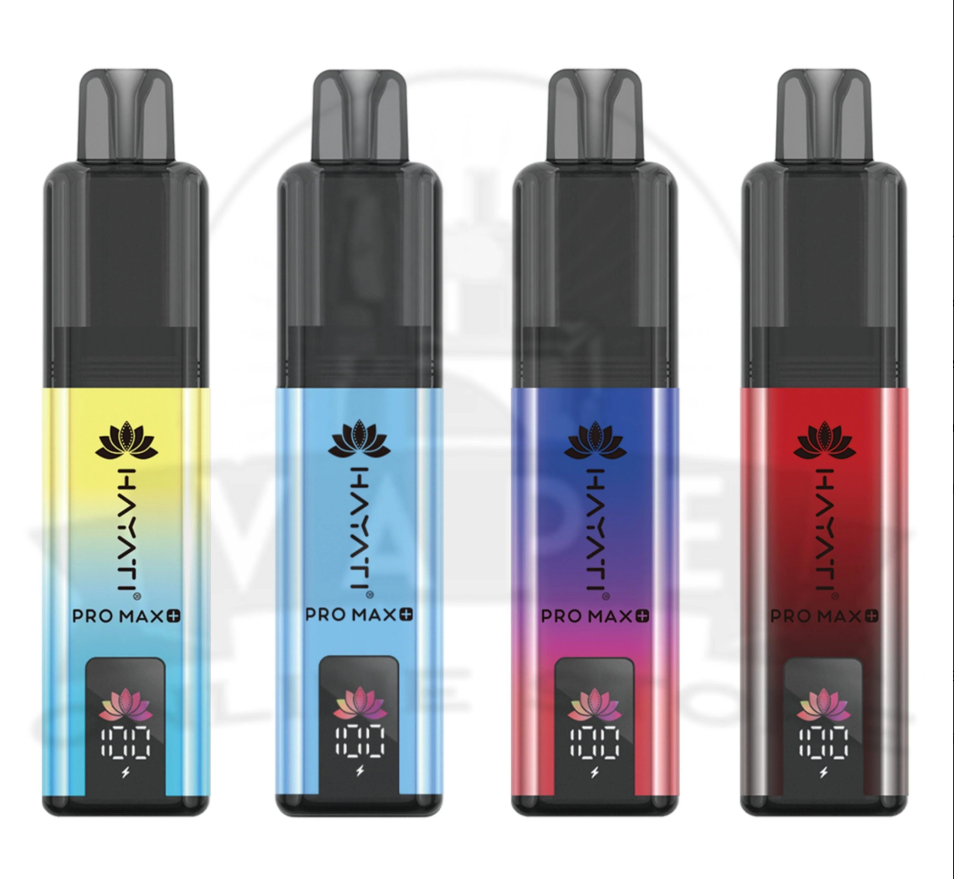
Vaping devices operate differently because they heat e-liquid rather than burn tobacco. Adults researching alternatives may encounter product categories such as hayati vapes uk, although vaping products should not be considered harmless or suitable for non-smokers.
Completely stopping cigarette smoking eliminates further direct exposure to cigarette smoke and is the most reliable way to prevent smoking-related stains from recurring.
People seeking to quit can also consider NHS stop-smoking services, nicotine replacement therapy and professional support.
How to Remove Yellow Stains from Fingernails
Fingernails can be more difficult to clean because discolouration may become incorporated into the nail plate.
Regular nail trimming and gentle cleaning can improve their appearance. A soft nail brush may help remove superficial deposits without damaging the nail surface.
Avoid applying household bleach or strong cleaning chemicals to the nails. These substances can cause irritation and weaken surrounding tissues.
Persistent nail staining may take time to disappear because the affected section must gradually grow out.
If discolouration occurs alongside pain, unusual thickening or changes in nail structure, professional medical advice is recommended.
Why Smoking Stains Keep Coming Back
The main reason smoking stains return is continued exposure to cigarette smoke. Even after successful cleaning, regularly holding cigarettes allows fresh deposits to accumulate.
Frequent handwashing may temporarily improve appearance, but it cannot completely prevent staining when smoking continues.
The location of cigarette contact also matters. Holding cigarettes in the same position repeatedly concentrates exposure around particular fingertips.
Consequently, preventing further exposure is more effective than relying exclusively on repeated cleaning treatments.
Understanding Changes in the UK Vaping Market
The UK prohibited the sale and supply of single-use vaping devices on 1 June 2025. This change affected disposable products across numerous established vaping brands.
Adults researching lost mary after disposable ban should distinguish between prohibited single-use devices and reusable products that satisfy UK regulatory requirements.
However, switching to vaping is not necessary for everyone attempting to quit cigarettes. NHS smoking cessation services can provide guidance on available treatments and suitable support.
The overall objective should remain stopping tobacco smoking and reducing avoidable health risks.
When Should You Seek Professional Advice?
Not every change in finger colour results from smoking. Certain skin conditions, infections, medications and circulation problems can also alter the appearance of fingers and nails.
Seek medical advice if discolouration develops suddenly, spreads unexpectedly or appears alongside discomfort.
A healthcare professional can identify whether the marks are superficial stains or symptoms of another condition requiring treatment.
Conclusion
Smoking-related finger stains can be frustrating, but understanding their causes makes effective management easier. Gentle cleansing, appropriate moisturising and regular nail care may improve the appearance of superficial discolouration without damaging the skin. However, continued cigarette exposure can cause stains to return regardless of the cleaning methods used. Stopping smoking remains the most effective long-term preventive measure and offers important health benefits beyond cosmetic improvements. Anyone struggling to quit can seek professional support through NHS services and evidence-based smoking cessation treatments, while persistent or unusual skin changes should be assessed by a qualified healthcare professional.
